When Practice Reinforces the Wrong Movement Patterns
Athletes rely on repetition to build skill. However, repetition without correct technique may lead to dysfunctional movement patterns becoming automatic.
This is particularly relevant for:
- Endurance athletes repeating inefficient mechanics
- Sports players training under fatigue
- Individuals compensating for prior injury
Over time, these patterns may contribute to:
- Muscle imbalance
- Joint instability
- Reduced efficiency of movement
Because these patterns become “memorised” by the neuromuscular system, simply trying to “correct form” is often not enough.
How the Neuromuscular System Stores and Relearns Movement
The neuromuscular system is responsible for learning, storing, and reproducing motor skills. Once a movement is repeated frequently, it becomes automated.
When dysfunction is present:
- The body continues to default to the learned pattern
- Compensations may override correct movement
- Instability and imbalance can persist even after injury heals
Relearning these patterns typically requires neuromuscular facilitation techniques, which aim to retrain the communication between nerves and muscles.
Importantly, this process generally requires guided intervention from an experienced practitioner, as noted in the source.
Where Q Magnets May Fit Into Neuromuscular Facilitation
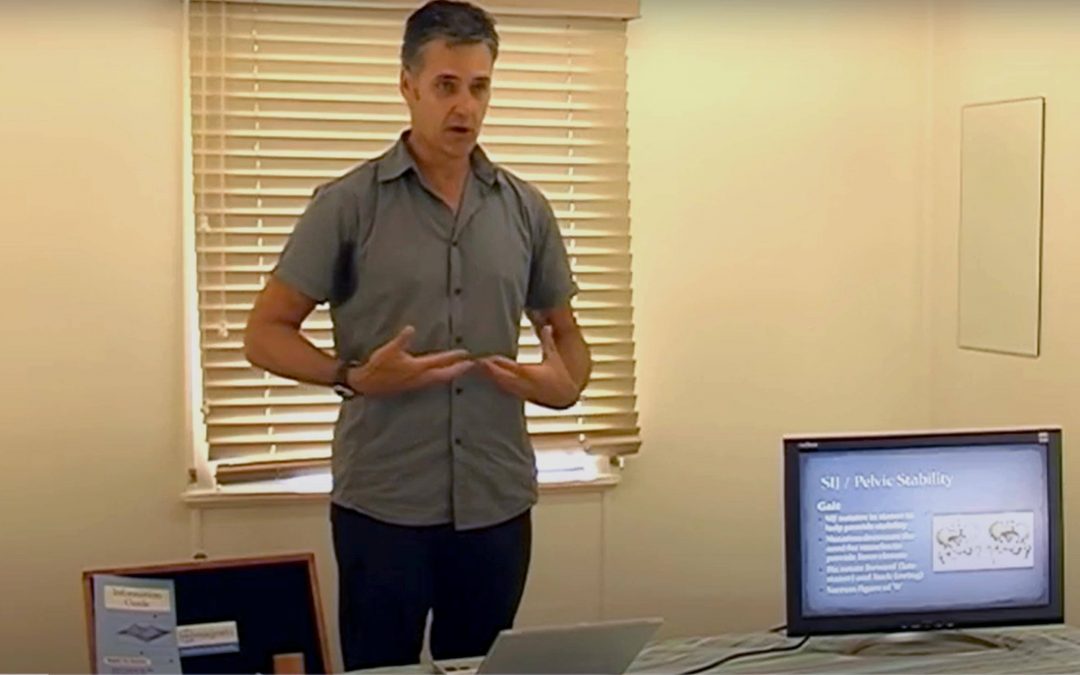
In clinical settings, practitioners such as physiotherapist Peter Stanton have explored how Q Magnets may be used alongside neuromuscular facilitation approaches.
Within this context, magnetic fields are not presented as a standalone solution, but as a supportive tool that may:
- Be applied during movement retraining
- Be integrated into therapy sessions
- Potentially influence somatic (body-based) dysfunction
Peter Stanton describes their potential application in enhancing muscle memory and reducing dysfunction, particularly when used within structured rehabilitation.
FDP Framework (Field | Dose | Placement)
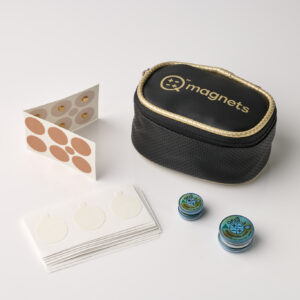
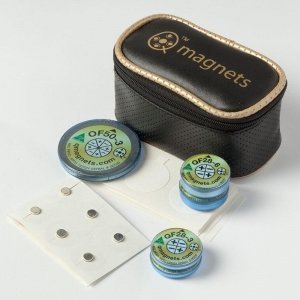
Field: Multipolar magnetic field applied locally during treatment
Dose: Selected based on treatment area and practitioner guidance
Placement: Typically positioned over target muscles or dysfunctional movement zones
What This Looks Like in High-Level Sport (Examples / Observations)
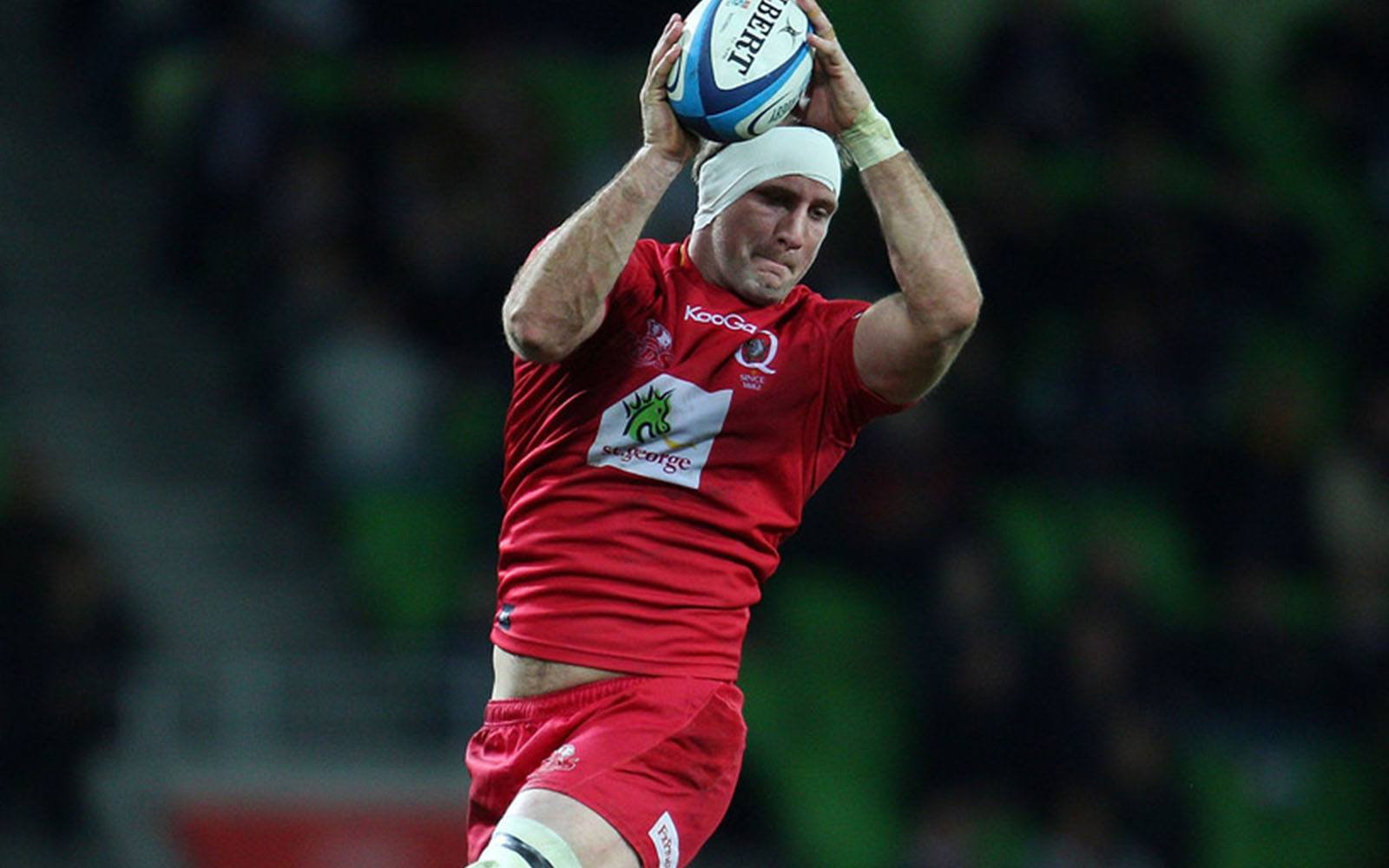
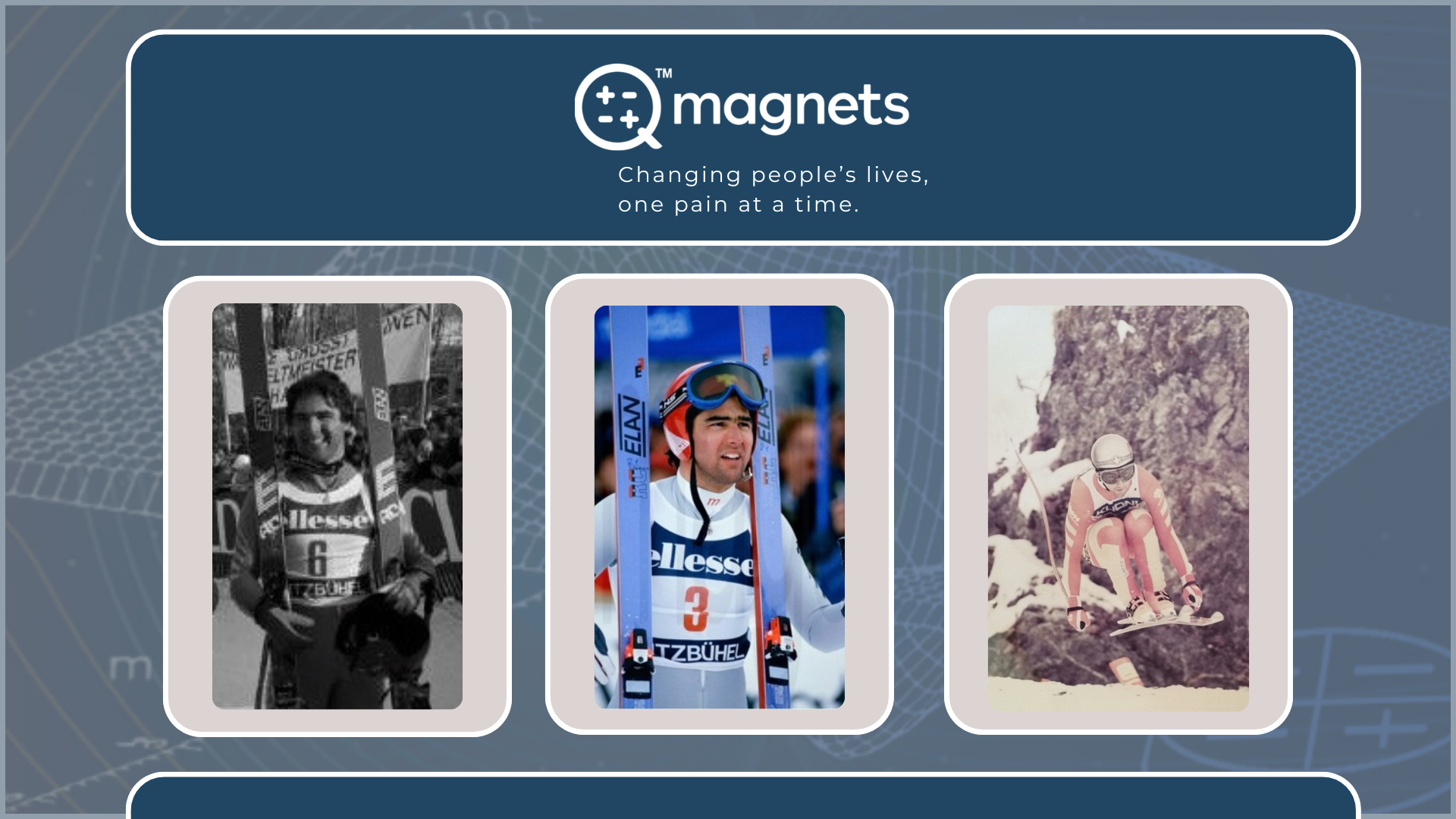
Peter Stanton is described as a physiotherapist sought out by professional athletes globally, reflecting the relevance of neuromuscular retraining at elite levels.
A testimonial referenced in the source highlights work with dual Olympian Andrew Johns, demonstrating how these approaches are applied in real-world performance settings.
These examples suggest a pattern:
- High-performing athletes may still develop dysfunctional movement
- Correction often requires specialist intervention
- Tools like Q Magnets may be integrated into that process
For more real-world examples, explore Q Magnets testimonial case studies from people using magnetic field therapy for pain, recovery, and performance support.
“Why Can’t I Just Fix My Form?”
Many athletes assume that awareness alone can fix poor technique. However, once a pattern is embedded:
- The body often defaults back under pressure or fatigue
- Conscious correction becomes inconsistent
- Old patterns re-emerge during competition
This explains why relearning not just correcting is necessary, and why structured facilitation approaches are used.
Understanding the Limits of This Approach
While neuromuscular facilitation and tools like Q Magnets may support retraining, several limitations apply:
- Results depend heavily on practitioner skill
- Not all dysfunction is purely neuromuscular
- Chronic pain or structural issues may require additional interventions
- Individual response may vary
Importantly, the source positions this as a potential application, not a guaranteed outcome.
Next Steps for Athletes Looking to Retrain Movement
If you suspect dysfunctional muscle memory is affecting your performance:
- Seek assessment from a qualified practitioner
- Identify movement imbalances or compensations
- Explore neuromuscular facilitation approaches
- Consider supportive tools such as Q Magnets within guided care
See Also,
Frequently Asked Questions
1. What is the mechanism of action?
The precise biological mechanism of Q Magnets has not been fully established. The current scientific positioning is that engineered multipolar static magnetic field gradients may influence membrane excitability, ion movement, and sensitized nerve signalling.
The proposed mechanism focuses on the interaction between steep localized field gradients and nerve cell behaviour. This may involve changes in sodium and calcium ion dynamics, membrane permeability, resting membrane potential, and action potential firing patterns.
Q Magnets may support reversible neuromodulation by creating localized static magnetic field environments. This is also why Field | Dose | Placement is central. The field must be appropriately engineered, the dose must match tissue depth and exposure needs, and the placement must align with the target anatomy.
2. How do Q Magnets work?
Q Magnets are designed to create localized static magnetic field gradients using multipolar magnet geometry. Unlike simple bipolar magnets, Q Magnets use alternating poles within one device to produce a more complex field pattern.
The proposed biological effect is not based simply on magnet strength. Instead, Q Magnets are positioned through Field | Dose | Placement:
Field refers to multipolar geometry and localized gradients.
Dose refers to magnet size, field strength, tissue depth, exposure time, and cumulative use.
Placement refers to accurate positioning over or near the relevant nerve, joint, soft tissue, acupressure point, or referral pathway.
Research and theoretical work suggest that steep static magnetic field gradients may influence neuronal membrane excitability and ion channel behaviour. This may help explain why correct placement and model selection are so important.
Q Magnets should therefore be understood as precision field-based recovery tools rather than general-purpose magnets.
3. Since placement of Q Magnets is critical, how does one find the specific placement?
The simplest starting point is to place the Q Magnet over the area of tenderness. This may be suitable for local pain patterns such as a tender tendon, joint, muscle area, or minor localized injury.
However, placement is not always obvious. Pain may be referred from another area, influenced by nerve pathways, or related to spinal segments, acupressure points, or sensitized neural structures. In these cases, multiple Q Magnets may be used along relevant nerve pathways or related anatomical regions.
This is where Field | Dose | Placement becomes practical. The field must be appropriate for the target, the magnet size and exposure must match the depth and tissue, and the placement must be accurate enough to expose the intended area to the field gradient.
For example, a local sting or tennis elbow tenderness may respond best to direct placement over tender spots. A radiating nerve pattern may require placement closer to the relevant spinal level or nerve pathway. Acupressure-style placements may also be used in some protocols.
For most users, the Body Map is the best starting point because it gives recommended placements and magnet combinations. More complex pain syndromes may require guidance from a practitioner with knowledge of anatomy, neurology, physiotherapy, or acupuncture-style point selection.
4. Can anyone treat themselves?
Many people can apply Q Magnets themselves if they follow the instructions carefully. The Body Map, How to Use guidance, and device-specific information are designed to help users select and place magnets more accurately.
However, success depends heavily on correct Field | Dose | Placement. A poor result may reflect incorrect placement, the wrong model, insufficient exposure, or an issue that needs a different approach.
Simple, localized problems may be easier to self-manage. More complex pain syndromes, radiating pain, chronic pain, neurological symptoms, or unclear diagnoses are better assessed by a doctor, physiotherapist, or other qualified practitioner.
Do not use Q Magnets as a reason to delay care for a significant medical problem.
5. How can I provide Q Magnets therapy in my clinic or hospital?
Q Magnets can be used as an adjunctive recovery or pain-support modality within a practitioner-guided care model.
They should be presented as precision multipolar medical magnets using a clear Field | Dose | Placement framework.
In practice, this means selecting the appropriate magnet model, matching penetration depth to the target tissue, placing the device accurately, recording the application, and monitoring the patient’s response.
Q Magnets may fit naturally into physiotherapy, acupuncture, sports recovery, rehabilitation, massage therapy, integrative medicine, and other practitioner settings.
They should be used as part of a thoughtful care plan, not as a substitute for diagnosis or necessary medical treatment.