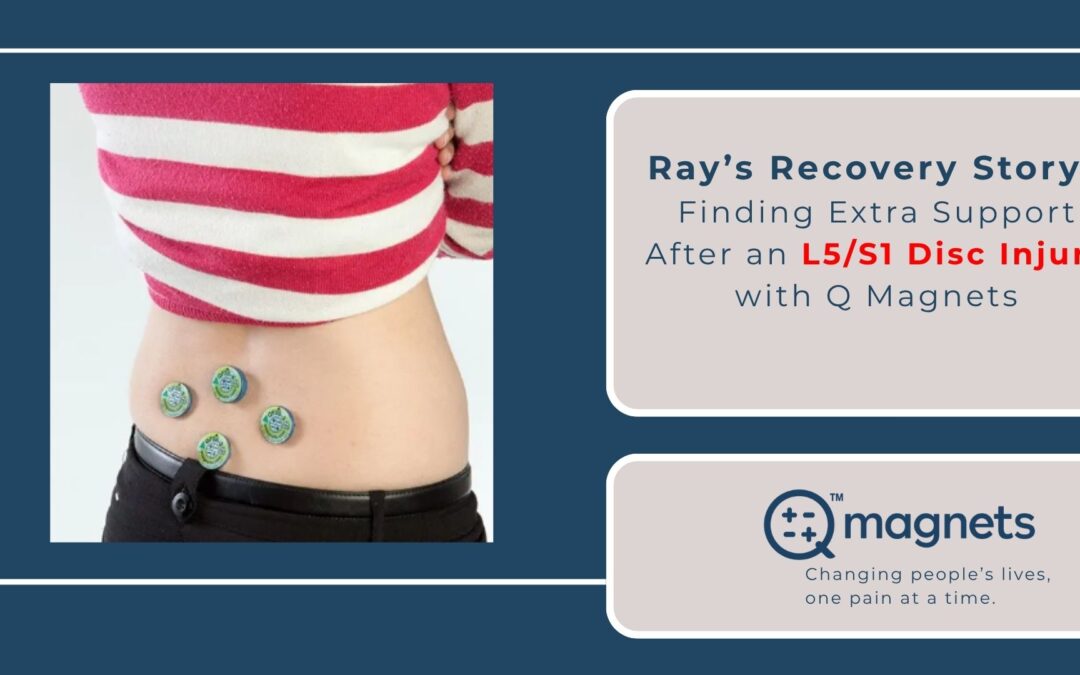
L5/S1 Disc Injury Recovery Story: How Q Magnets Supported Physiotherapy
Recovering from an L5/S1 disc injury can be a long and challenging process. Many people discover that successful rehabilitation is not about finding a single solution, but about combining professional treatment with supportive strategies that help improve comfort and make everyday life more manageable.
That was the experience of Ray Catterall, who incorporated Q Magnets into his recovery while undergoing physiotherapy after injuring his L5/S1 disc. His story highlights how complementary approaches can work alongside practitioner-guided care during recovery.
When Recovery Requires More Than One Approach
Lower back injuries often affect far more than the spine itself. Pain, reduced mobility and difficulty performing routine activities can influence work, sleep, exercise and overall wellbeing.
Following his injury, Ray’s first step was to seek guidance from James and Dianne while beginning physiotherapy.
He explains:
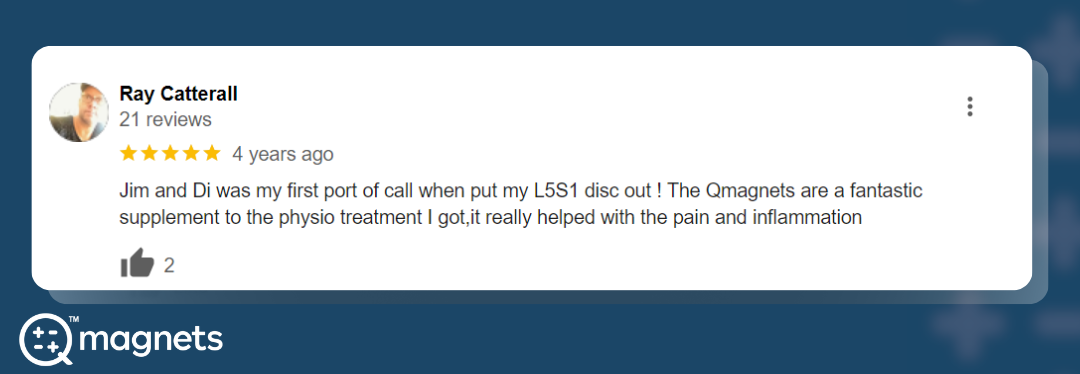
“James and Dianne was my first port of call when I put my L5/S1 disc out! The Qmagnets are a fantastic supplement to the physio treatment I got, it really helped with the pain and inflammation.”
His experience reflects an important principle of the Q Magnets philosophy. The magnets were not used instead of physiotherapy. They were used alongside professional treatment as an additional recovery support.
Recovery Is Often a Combination of Strategies
Recovering from an L5/S1 disc injury usually involves multiple elements working together, including professional assessment, physiotherapy, appropriate exercise, time, and supportive recovery tools. Many people choose complementary approaches that may help improve comfort while continuing with their prescribed rehabilitation program.
Supporting Physiotherapy During Recovery
Physiotherapy played a central role in Ray’s rehabilitation.
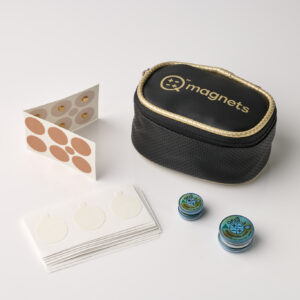
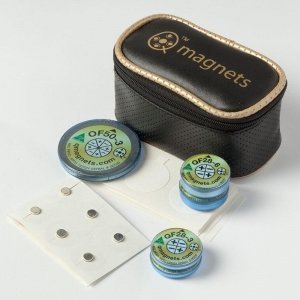
Q Magnets were introduced as a complementary addition to help support comfort throughout that process. Within the Q Magnets approach, precision multipolar medical magnets are used to create localized static magnetic field gradients, with application guided by the principles of Field | Dose | Placement.
Rather than focusing solely on magnet strength, this framework recognises that the location of the magnetic field, the duration of exposure and consistent application may all contribute to the overall user experience.
For many people recovering from back injuries, combining practitioner-guided rehabilitation with supportive recovery tools provides a more comprehensive approach than relying on any single intervention alone.
Comfort Can Make Recovery Easier
Recovering from an L5/S1 disc injury often requires patience.
During this time, improvements in day-to-day comfort can make it easier to stay engaged with rehabilitation and maintain normal activities where appropriate.
Ray’s testimonial focuses on exactly that experience. While continuing physiotherapy, he found Q Magnets provided valuable additional support with pain and inflammation during his recovery.
Although every individual’s experience is different, stories like Ray’s illustrate why many people choose to incorporate static field therapy into a broader recovery plan rather than viewing it as a replacement for conventional care.
Why Q Magnets Take a Different Approach
Q Magnets are designed around engineered magnetic field gradients rather than the idea that stronger magnets automatically produce better results.
This emphasis on field geometry, precise placement and localized static magnetic field environments forms the basis of the Q Magnets system. Combined with the Field | Dose | Placement framework, the goal is to optimise how the magnets are applied as part of an individual’s overall recovery strategy.
This approach has led many users to integrate Q Magnets into practitioner-guided rehabilitation programs and broader wellness routines.
A Practical Recovery Story
Ray Catterall’s story is a reminder that recovering from an L5/S1 disc injury often requires the right combination of professional care, trusted advice and supportive recovery tools.
For Ray, physiotherapy remained the foundation of his rehabilitation, while Q Magnets became a valuable complementary addition that helped support his comfort throughout the recovery process.
His experience reinforces an important message for anyone recovering from a significant back injury: meaningful progress is often achieved by combining evidence-informed care with practical strategies that support recovery every step of the way.