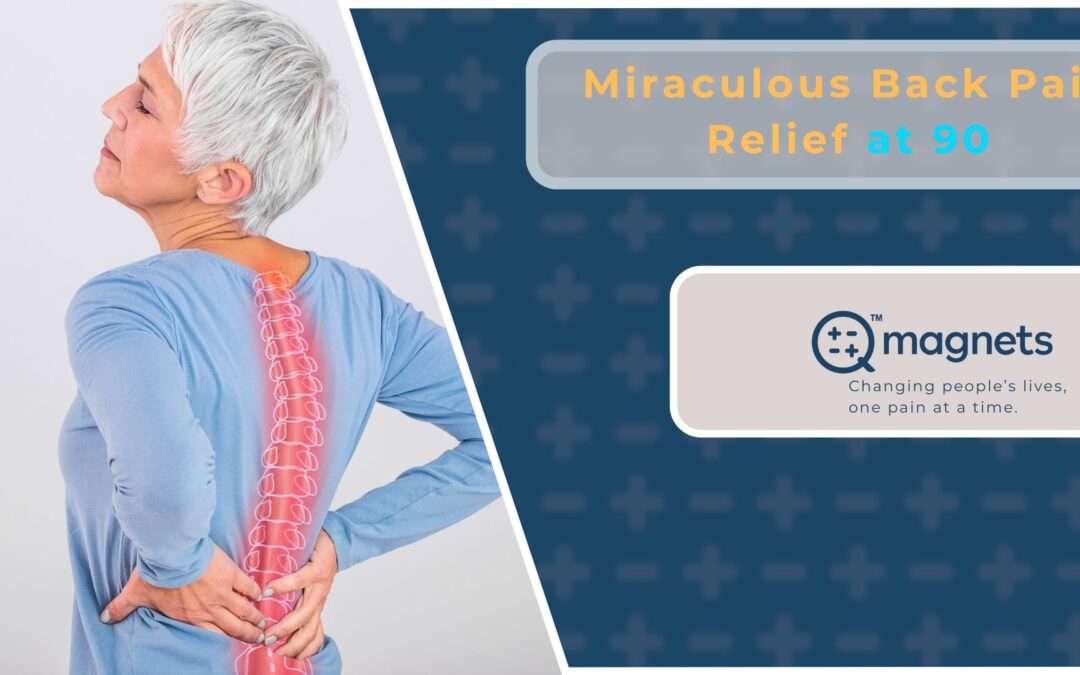
Lower Back Pain Testimonial: How One 90-Year-Old Found Relief with Q Magnets
Living with chronic pain can affect almost every aspect of daily life. For older adults, persistent lower back pain, osteoarthritis, and reduced mobility often make even simple tasks difficult. Many people begin searching for non-drug options when medications become less effective or are no longer suitable.
This lower back pain testimonial shares the experience of Rosmarie Fuller’s 90-year-old mother, who had been living with multiple painful conditions for years. While every individual responds differently, her story provides an example of why many people explore Q Magnets as part of their broader recovery journey. It also highlights the importance of understanding the condition being treated, as some forms of back pain may not respond to static field therapy.
A Lifetime of Pain Following Multiple Falls
As we age, the body becomes more vulnerable to injury, and recovery often takes longer. In this case, Rosmarie’s mother experienced several falls over a number of years.
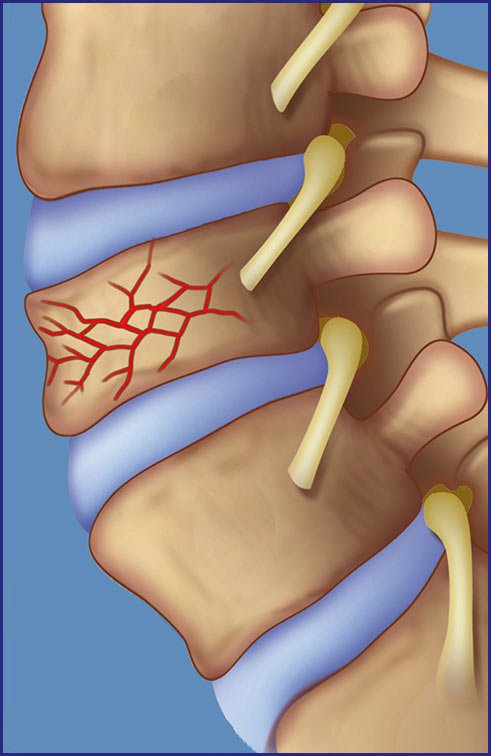
Back pain can have different underlying causes, including disc-related issues and structural changes.
The first fall resulted in disc-related lower back pain that continued long after the initial injury. A later fall caused a shoulder injury that eventually developed into significant osteoarthritis. She also experienced osteoarthritis in both knees, creating multiple sources of ongoing discomfort that affected her mobility and independence.
Like many older adults, she faced an additional challenge. Her options for pain medication were limited, and steroid injections that had previously provided relief gradually became less effective over time. These circumstances led the family to consider another approach.
Why Many People Look Beyond Medication for Chronic Pain
Chronic pain management often involves balancing symptom relief with quality of life. While medications, injections, physiotherapy, and exercise all have important roles, they are not suitable for everyone or may become less effective over time.
For this reason, many people explore complementary approaches that may support comfort during everyday activities. Q Magnets are precision multipolar medical magnets designed to create localized static magnetic field environments rather than continuously delivering energy into the body. Current scientific discussion proposes that carefully engineered magnetic field gradients may interact with biological systems through mechanisms involving nervous system regulation and membrane excitability, although responses can vary between individuals. This cautious, systems-based approach aligns with modern recovery science and the principles of static field therapy.
Rather than asking whether magnetic therapy works in every situation, the Q Magnets educational framework encourages a more useful question:
Under what conditions might properly applied multipolar medical magnets support recovery?
This is where Field, Dose, and Placement become important considerations.
Why Field, Dose and Placement Matter
One of the principles that distinguishes Q Magnets from generic magnetic products is the Field | Dose | Placement (FDP) framework.
Field
The arrangement of magnetic poles creates localized magnetic field gradients that differ from simple bipole magnets. Current scientific literature suggests that field geometry may be just as important as overall magnetic strength when considering possible biological interactions.
Dose
Dose includes several factors, including magnet size, field characteristics, exposure duration, tissue depth, and cumulative wear time. More is not automatically better, and optimal exposure may differ depending on the individual and the condition.
Placement
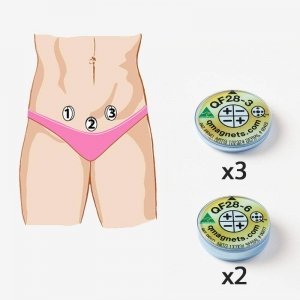
Anatomical placement is equally important because magnetic field strength decreases rapidly with distance. Correct positioning may help maximize exposure to the intended tissues, which is why Q Magnets provides condition-specific placement guides rather than relying on a one-size-fits-all approach.
One Family’s Experience Using Q Magnets
Rosmarie Fuller described her mother’s experience after a friend loaned them a set of the original Magna Bloc magnets.