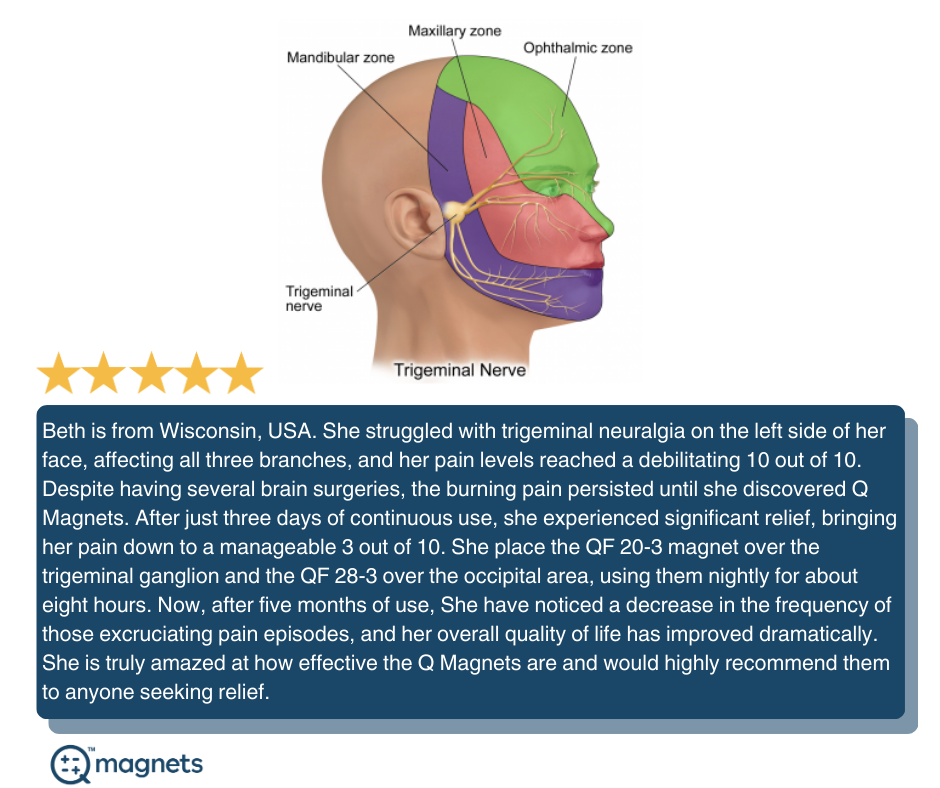
Living with Severe Trigeminal Neuralgia
For years, Beth faced daily challenges associated with trigeminal neuralgia. The condition affected the ophthalmic, maxillary, and mandibular branches of the trigeminal nerve, creating widespread facial discomfort that significantly impacted her wellbeing.
Like many people living with persistent pain, Beth had already pursued multiple medical interventions. Several brain surgeries had been performed in an effort to address the condition, yet the burning facial pain continued.
When pain remains at such high levels for extended periods, it can affect much more than physical comfort. Sleep quality, emotional wellbeing, daily activities, social interactions, and overall quality of life can all become increasingly difficult.
Discovering a Different Approach
Beth eventually came across Q Magnets and decided to incorporate them into her wellness routine.
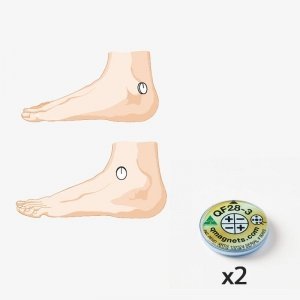
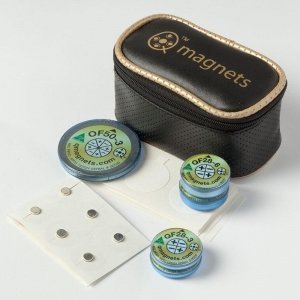
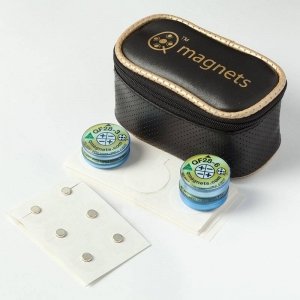
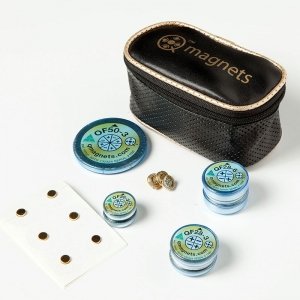
Using a Field | Dose | Placement approach, she positioned a QF 20-3 magnet over the trigeminal ganglion region and a QF 28-3 magnet over the occipital area. This placement strategy focused on areas associated with the nerve pathways involved in her symptoms. You can download the trigeminal neuralgia Q Magnets novel protocol.
Within just three days of continuous use, Beth noticed a significant change.
Her reported pain levels reduced from an overwhelming 10 out of 10 to a much more manageable 3 out of 10.
While individual experiences vary, this early shift encouraged her to continue using the magnets as part of her recovery support routine.
A Nightly Routine That Fit Into Daily Life
One aspect Beth appreciated was the simplicity of the process.
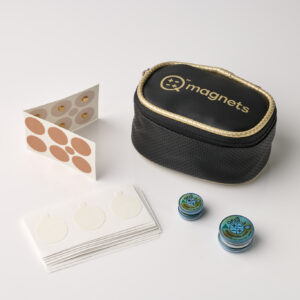
She wore the magnets nightly for approximately eight hours while sleeping. Unlike many wellness technologies that require dedicated treatment sessions, magnetic therapy products can be incorporated into existing routines with minimal disruption.
For Beth, this meant she could receive ongoing exposure to the magnetic field gradients generated by the multipolar magnet designs while resting overnight.
This consistency became an important part of her experience.
Sleep support and relaxation are often overlooked aspects of recovery. When people are more comfortable at night, they may find it easier to rest, recover, and engage more fully in everyday activities.
Five Months Later: What Changed?
After five months of regular use, Beth noticed something else.
Not only had her day-to-day pain levels improved, but the frequency of the intense pain episodes had also decreased.
For someone who had lived with severe trigeminal neuralgia affecting all three nerve branches, this represented a meaningful shift in daily life.
Rather than focusing solely on pain scores, Beth found herself paying attention to the broader changes:
- Improved comfort throughout the day
- Better ability to manage daily activities
- Reduced frequency of severe pain episodes
- Greater confidence in everyday life
- Enhanced overall quality of life
- Ongoing support for rest and relaxation
These were the outcomes that mattered most to her.
Why Placement Matters
Beth’s experience also highlights an important concept often discussed within Q Magnets education: Field | Dose | Placement.
Rather than simply placing magnets anywhere on the body, placement is matched to the anatomy involved. In Beth’s case, the trigeminal ganglion and occipital region were selected as part of her application strategy.
Q Magnets utilize precision multipolar medical magnet designs that create localized magnetic field gradients rather than simple uniform magnetic fields. Within the Q Magnets framework, these magnetic field gradients are considered an important part of how static field therapy may support nervous system regulation and recovery physiology.
While the exact mechanisms continue to be explored, proposed explanations include the possibility that localized static magnetic field gradients may influence nerve excitability and support reversible neuromodulation processes.
Beth’s Perspective
Today, Beth describes herself as amazed by the difference Q Magnets have made in her life.
After years of struggling with severe facial pain and pursuing multiple interventions, finding a solution that helped reduce her discomfort and improve her quality of life was deeply meaningful.
Her story is not about promises or guarantees. It is about one person’s lived experience using magnetic therapy as part of a broader wellness support strategy.
For Beth, the greatest outcome was simple: less pain, fewer severe episodes, better rest, and a renewed sense of comfort in everyday life.