Blog
Welcome to the Q Magnets blog! We’ve maintained this blog for more than a decade and post new research and relevant information on magnetic field therapy as well as provide a platform for Q magnets users happy to share their experience. If you would like to comment and/or join the discussion, please visit our social channels (links in footer) or contact us if you would like to share your experience with our readers.
Post-Polio Syndrome Pain Magnets Providing Hope for Pain Sufferers
Post-polio syndrome pain magnets have attracted growing interest among people searching for non-pharmaceutical approaches to chronic pain and recovery support. Many individuals living with post-polio syndrome experience persistent muscle pain, fatigue, weakness, joint stress, and nervous system hypersensitivity years after recovering from the original viral infection.For many sufferers, symptoms...
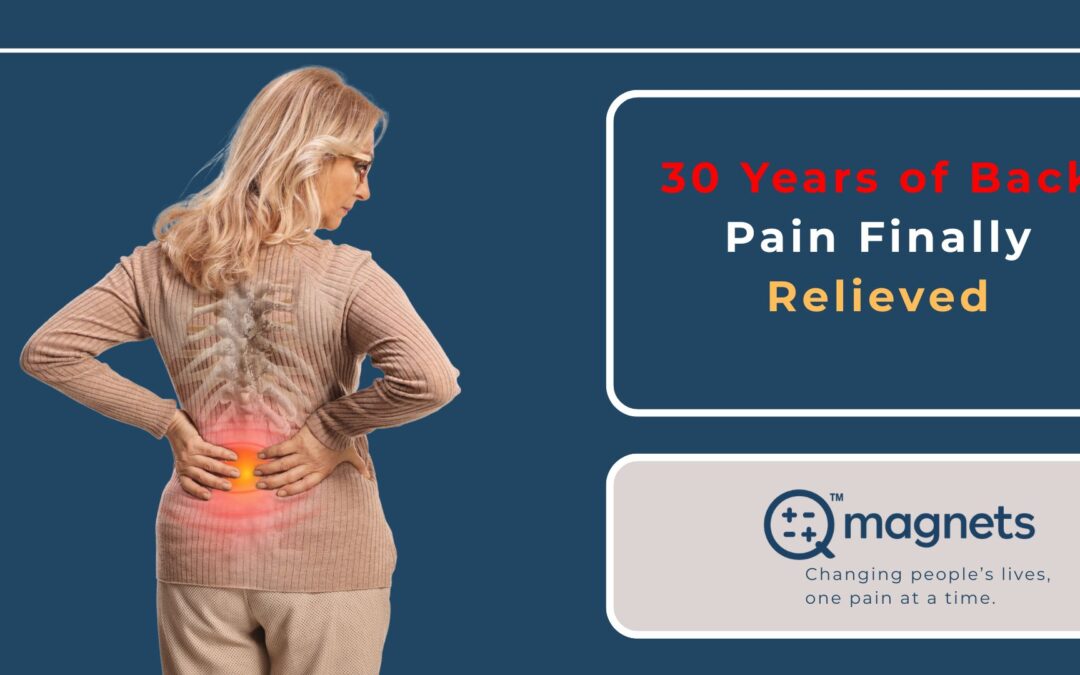
30 years of back pain – personal experience with Q Magnets
30 Years of Chronic Back Pain: A Physiotherapist's Personal Experience with Q Magnets After more than 30 years of living with chronic back pain, physiotherapist Annette Tonkin decided to try Q Magnets after many conventional approaches had provided only limited relief. As a health professional with decades of experience, she approached the experience with healthy scepticism and a willingness to...
Ridiculous arguments against magnetic field therapy deserve comical responses (II)…
This is the second drawing in our comical response series... Some of the arguments put forward by skeptics against magnetic therapy are so hilarious, we’ve come up with a few comical responses of our own. How many times do you hear people say magnets are too weak or they don't penetrate deep enough to do anything. It's like someone saying why would you want to carry a brick mobile phone with...
A Real-World Example of Magnetic Therapy on a Sports Bruise
A concise physiotherapist case example showing how magnetic therapy was used on a large bruise (haematoma) in active individuals.Athletes often deal with bruises and soft tissue injuries that can affect training and recovery. In this example, athletes and active individuals from Graceville (Queensland) were given the opportunity to trial Q Magnets for these types of injuries. When Bruising...
Post-Surgery Magnet Therapy Recovery and What Research Actually Shows
Post-surgery magnetic therapy recovery is a topic that continues to generate interest, especially among individuals looking to support healing and reduce discomfort after procedures. The available research presents a mixed but insightful picture, with some studies suggesting potential benefits in recovery, while others highlight the importance of correct application and expectations. The...
Magnetic Therapy Contraindications
For most people, the exposure to static magnetic fields is considered very safe. Probably the most serious risk is for those who have a pacemaker. In fact, one published study stated that small Neodymium magnets (around 10mm in size) needed to be as close as 3cm (just over an inch) to interfere with a pacemaker. Here is a comprehensive list of warnings... Magnetic Therapy Contraindications... IF...
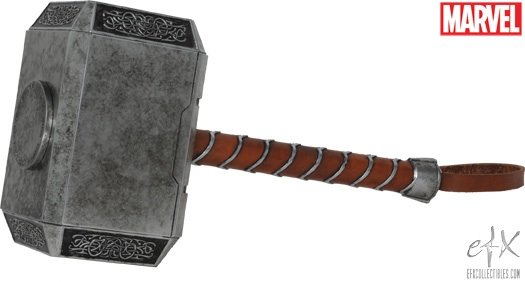
With Magnetic Therapy – Is Bigger Always Better? Is Stronger Always Superior?
Using a big hammer to tap in a small tack is not the best tool for the job, so too the biggest and strongest magnet is not always the best option for magnetic therapy pain relief.Selecting the right device is common sense. Use the smallest devices (Q6-1.5 and QF10-2) for trigger points, acupuncture points and small joints such as fingers.While for the lower back and larger joints such as hip...
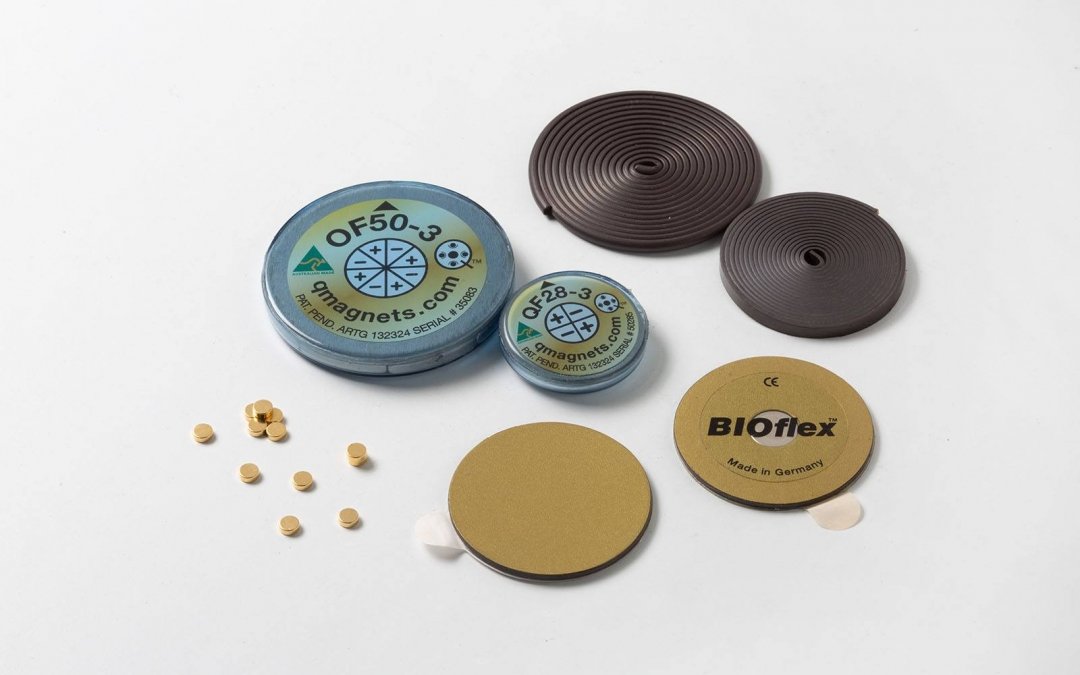
Device Selection – Which magnet to use? Quadrapolar, Hexapolar, Octapolar or Concentric
Rationale for Q magnets device selection for various pain conditions and body parts.
The most exciting development in my 40 years of following pain therapies
"The most exciting development in my 40 years of following pain therapies is the use of Neuromagnetics [Q Magnets] to manage pain. People's satisfaction has gone through the roof with the results of using this ground breaking technology to shut down "C" fiber activity. At times it's like a miracle. Changing people’s lives - one pain at a time". Doug Edwards. Auckland, New Zealand Doug has held...
How long do I need to wear Q Magnets before they begin to work?
Athletes often ask how long athletes should wear Q Magnets for recovery, especially when dealing with fatigue, strain, or post-training discomfort. The timeline can vary significantly depending on the type of injury, how long it has been present, and how the body responds. In some cases, athletes may notice changes quickly, while in others, magnetic therapy for sports injury recovery may take...
Italian Study Shows Static Magnetic Fields Benefits Pain.
DISCLAIMER: The type of magnet used is this study is not a Q Magnet. An Italian study using neodymium magnets sewn into textile supports worn 2-8 hours/day for 4 months has shown significant benefits over and above placebo. The 48 subjects enrolled in the study suffered from osteoarthritis or osteoporosis and were assessed for pain perception at 2 and 4 months after commencing the trial....
Knee Pain – Acupuncture, Low Level Laser and Q Magnets pain relief
Acupuncture is a popular complementary therapy for knee pain, however a recent study did not recommend acupuncture for chronic knee pain in patients over 50 years. In this article we review the research and show how acupuncture can be combined synergistically with Q Magnet therapy as a supplementary treatment for even better pain relief (see references below). We have had feedback from many...
Ridiculous arguments against magnetic field therapy deserve comical responses…
Some of the arguments put forward by skeptics against magnetic therapy are so hilarious, we’ve come up with a comical responses of our own…(Drawing by our 15 year old daughter Melissa) Not All Magnets Are Created Equal Arguments against magnetic therapy by skeptics invariably follow a common pattern, They focus on the dubious and deceitful claims, like how they cure cancer or attract iron in the...
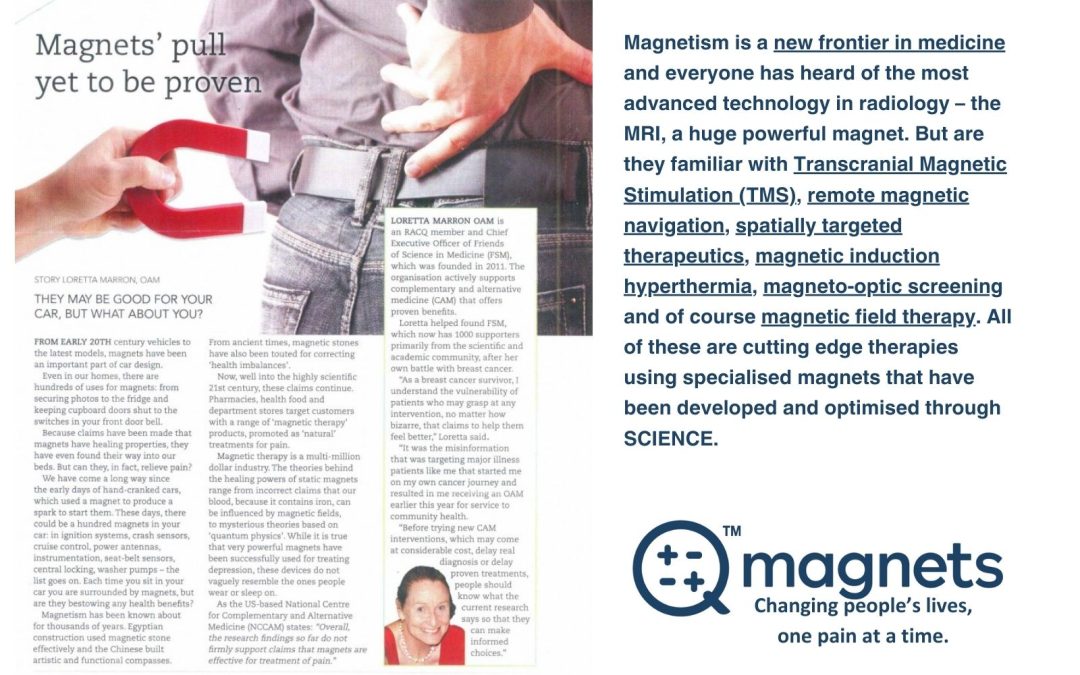
Response to RACQ magazine “The Road Ahead” article on magnetic therapy.
An article on magnetic therapy titled “Magnets’ pull yet to be proven” appeared in the Oct/Nov, 2014 issue of the popular RACQ magazine, The Road Ahead. The RACQ is also a large insurer for motor vehicle injuries and ironically we have had a role in rehabilitating many of their policy holders for conditions such as whip lash using Q Magnets. The author of the article is prominent Australian...
How to separate strong Q Magnets
It can almost seem impossible to get the larger Q Magnets apart, unless you have the right technique. The larger Q Magnets are needed to get the extra depth of penetration required to target the larger joints such as the hips and the lower back. But with size comes strength and being made from the strongest static magnet material available (neodymium) this can have unintended consequences. It...
How Athletes Use magnetic therapy to Support Recovery and Stay in the Game
Serious athletes train at high intensity it’s part of the process. But overexertion and accumulated fatigue can lead to sprains, strains, bruising, and even fractures. Soft-tissue injuries are especially disruptive, often limiting performance and extending recovery timelines.For athletes trying to return to training and competition as quickly as possible, recovery becomes just as important as...
Multipolar static magnetic field may provide relief to side-effects of pain medications
DISCLAIMER: The type of magnet used is this study is not a Q Magnet. The safety and effectiveness of Q Magnets has not been established in the treatment of erosive gastritis. Every week, new research is published strengthening the claim that static magnets can be optimised for therapeutic effects. While the magnetic device used in this study is not a Q Magnet, the multipolar arrangement does...
Magnetic Revolution: Why magnetism is a new frontier in medical research.
The use of magnetic fields is fast developing into a most promising area of medical research. Magnetism is cutting edge in the areas of cardiology (remote magnetic navigation, spatially targeted therapeutics), surgery (reflux management system), oncology (magnetic induction hyperthermia), psychiatry (Transcranial Magnetic Stimulation or TMS), radiology (MRI), pathology (magneto-optic...
Magnetism in medicine will be the solution to many shortfalls in medical research…
Probably the most comprehensive text on magnetism in medicine written to date. In conclusion, the elegance, noninvasive nature and other advantages of magnetic procedures in medicine – combined with the need to solve many current research problems – will ensure that this highly technological field retains its dynamic state over the years to come. Jens Haueisen Magnetism in Medicine: A Handbook....
Dowsing, divining and magnetic fields.
Did you know that a dowser, walking along divining for water, is actually sensing changes in the earth’s magnetic field? If you were able to shrink right down to miniature size and move across the surface of a common bipolar magnet, there would be no change in the magnetic field and it’s said to be uniform or “homogeneous”. Whereas, if you were able to walk across a Quadrapolar magnet, there...
Can Magnetic Therapy Help Athletes Recover from DOMS?
Delayed onset muscle soreness (DOMS) is one of the most common recovery challenges athletes face after unfamiliar or intense training. It typically appears the day after exercise and peaks around 48 hours later, often limiting performance and training consistency . For athletes exploring recovery tools like magnetic therapy, the key question is not just whether it works, but which type of...
Magnet field therapy for pain relief – Radio 2UE Healthy Living
We have provided a transcript of the interview with some links to the supporting documents and quoted studies. Introduction by host David Prior of 2UE: People have been using magnets for a long time now, third century AD the Greeks were actually treating arthritis with magnets. Medieval doctors used magnets to treat gout, poisoning and also baldness, believe it or not. Today, magnets are popular...
Cochrane Review Supports the Use of Electromagnetic Field Therapy
DISCLAIMER: The type of magnets evaluated in this review are electromagnetic fields (generated by electricity) and not static magnetic fields as Q Magnets are defined. The Cochrane Collaboration published an important review in October 2013 called “Electromagnetic fields for treating osteoarthritis (Review)". For those that are interested, the review can be downloaded here. It considers...
Three Things You Should Know Before Saying There Is No Evidence for Magnetic Therapy
When someone says there is “no evidence” for magnetic therapy, it often sounds like a definitive scientific conclusion. However, the reality is usually more complicated. The discussion around evidence for magnetic therapy is often affected by how studies are designed, what type of magnets are used, where they are placed, how long they are worn, and what biological mechanisms are being...
Magnetic Fields and Laser Combining Once Again to Improve People’s Lives…
In a previous post, we debunked the myths around magnetic therapy and blood flow and explained why iron (Fe) in the blood in not attracted to a magnet field. The scientific principles around iron in haemoglobin have now made it possible to simply detect the malaria parasite using a combination of magnetic fields and laser light. Many clinics use LLLT (Low Level Laser Therapy) in the...
Recently Viewed Products
-
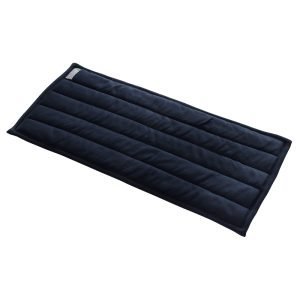 Q20 Practitioner Blanket
AU$990.00
Q20 Practitioner Blanket
AU$990.00
-
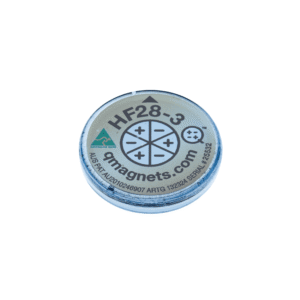 Hexapolar Magnet – 28 × 3 mm (HF28-3)
AU$87.00
Hexapolar Magnet – 28 × 3 mm (HF28-3)
AU$87.00
-
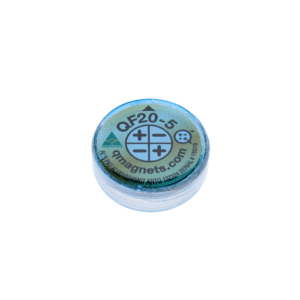 Quadrapolar Magnet – 20 × 5 mm (QF20-5)
AU$53.00
Quadrapolar Magnet – 20 × 5 mm (QF20-5)
AU$53.00
-
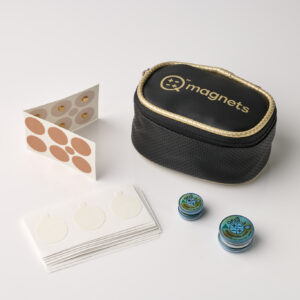 Q Bonus Package - General UseAU$285.00
 -
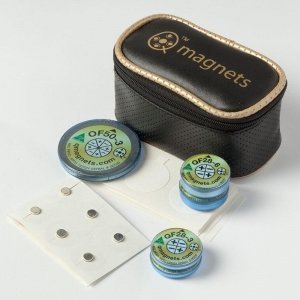 Q Bonus Package - Complex Lower Back PainAU$525.00
 -
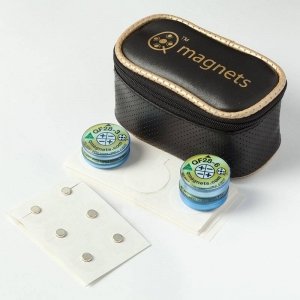 Q Bonus Package - Lower Back PainAU$336.00
 -
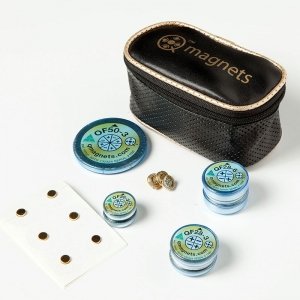 Q Bonus Package - Active AthleteAU$667.00
 -
 Q13 Blanket (Sm)AU$725.00