A Long Search for Something That Worked
Alan described his ankle pain as a constant companion following his accident. The pain typically sat around 6 out of 10 and became noticeably worse during cold weather.
Like many people dealing with long-term discomfort, he explored multiple treatment options over the years. Yet nothing seemed to provide the sustained improvement he was looking for.
Eventually, Alan began reading about magnetic therapy products and the growing discussion around static field therapy, recovery support, and the importance of magnetic field gradients in magnetic device design.
Rather than expecting an instant fix, he decided to test the approach for himself.
A Practical Field Dose Placement Approach
One aspect of Alan’s experience that stands out is how specifically he applied his Q Magnets.
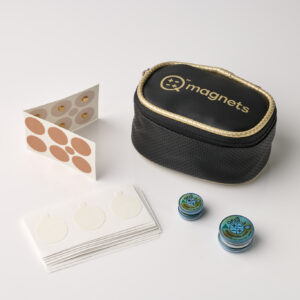
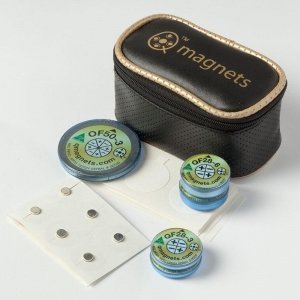
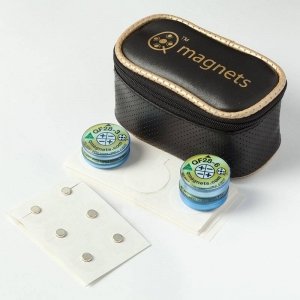
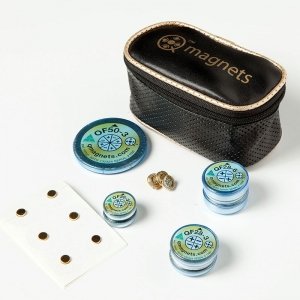
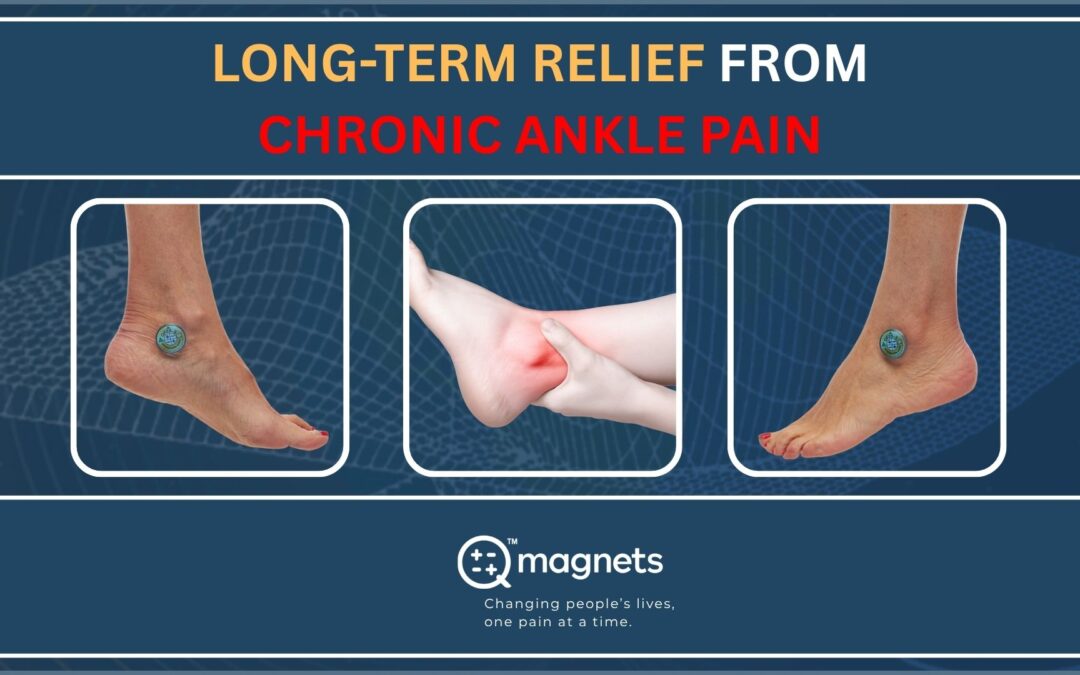
Using two QF28-6 multipolar medical magnets, he placed one magnet on each side of his left ankle and wore them nightly for approximately 8 to 9 hours.
This reflects an important principle often discussed within the Q Magnets framework: Field | Dose | Placement. The interaction between magnet design, exposure duration, and anatomical positioning may influence the experience people report with magnetic therapy.
In Alan’s case, consistency appeared to be important. Rather than occasional use, he incorporated the magnets into his nightly routine over an extended period.
Noticing Changes Early
According to Alan, he experienced a noticeable reduction in discomfort after the very first night.
While individual experiences can vary, this initial response encouraged him to continue.
After approximately 15 days, he reported that his pain level had reduced from 6/10 to 3/10. By the two-month mark, he described only mild residual stiffness, rating it around 1/10.
For Alan, the biggest change was not simply a number on a pain scale. It was the ability to feel more comfortable moving through daily life without constantly focusing on his ankle.
Why Magnetic Field Gradients Matter
One reason Alan’s story resonates with many Q Magnets users is that it highlights a concept often overlooked in discussions about magnetic therapy.
Not all magnets are designed the same way.
Q Magnets utilize multipolar configurations that create localized magnetic field gradients, rather than relying solely on magnet strength. Current educational frameworks suggest that magnetic field gradients may be an important variable when discussing biological interactions and recovery-focused applications.
For people exploring magnetic therapy, this shifts the conversation away from simply asking, “How strong is the magnet?” and toward questions of field design, placement, and duration of use.
A Drug-Free Recovery Support Option
What Alan appreciates most today is not just the reduction in discomfort, but the fact that he found a non-pharmaceutical wellness support option that fits easily into his lifestyle.
His nightly routine requires little effort. The magnets are reusable, simple to apply, and have become part of his ongoing self-care approach.
Because of his experience, Alan now recommends Q Magnets to others dealing with persistent, localized discomfort who are looking to explore additional recovery support options.
Alan’s Takeaway
After years of living with chronic ankle pain following a motorcycle accident, Alan found something that helped him feel more comfortable and confident in his day-to-day life.
His story serves as a reminder that recovery journeys are often personal. Sometimes the most meaningful changes come from finding an approach that can be used consistently, comfortably, and over time.
If you would like to learn more about magnetic therapy, static field therapy, field dose placement, or the role of magnetic field gradients in Q Magnets technology, explore our related resources on chronic pain, recovery support, and wearable recovery environments. Q Magnets educational materials consistently emphasize the importance of multipolar field design, placement, and duration of exposure when using magnetic therapy products.
Individual experiences vary. Customer testimonials reflect personal experiences and do not guarantee similar outcomes for others. Q Magnets are intended to support general wellness and recovery. Information provided is educational in nature and is not intended as medical advice, diagnosis, treatment, or as a substitute for consultation with a qualified healthcare professional.