
Dana’s Story: A Recommendation from Family That Changed Her Daily Routine
Sometimes the most trusted advice comes from someone who has already walked a similar path.
For Dana from Florida, that person was her sister.
Living with fibromyalgia, Dana’s sister had already experienced positive results using Q Magnets and suggested they might also be worth trying for Dana’s persistent lower back pain. Although the investment gave her pause at first, curiosity and the hope of finding another option for managing her symptoms eventually won out.
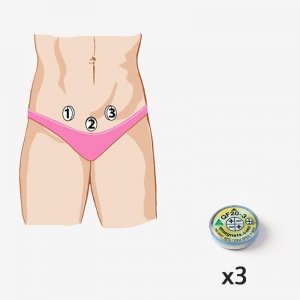
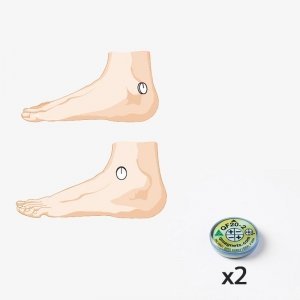
Dana decided to purchase a set and began using the Q Magnets not only for her lower back pain, but also for discomfort in other areas whenever it appeared.
Her first impression was simple and direct.
“The magnets really do WORK!”
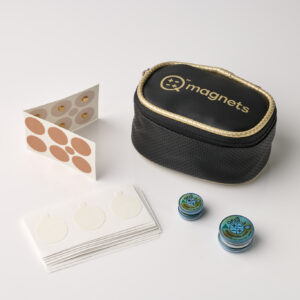
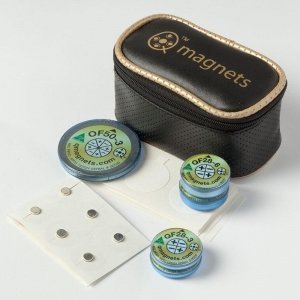
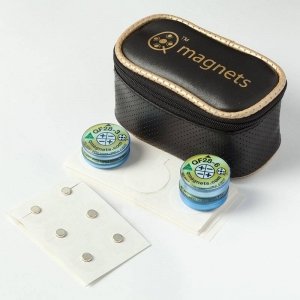
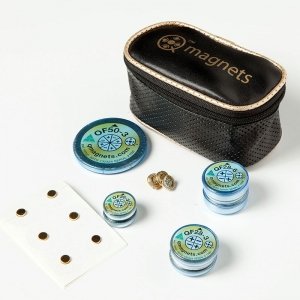
What surprised Dana most was not their size, but how practical they were to use. She appreciated that the magnets were small and lightweight, making them easy to secure with BSN tape while going about her normal day.
Dana lives with pain affecting her spine, problems involving one of her lumbar discs, and episodes of muscle spasms and nerve-related discomfort. Rather than expecting an instant cure, she found herself paying attention to how she felt after consistently applying the magnets as part of her routine.
She noticed that within about an hour of applying the magnets, her pain would often begin to ease and she simply felt more comfortable.
For Dana, that growing sense of relief was what mattered most.
Her experience also highlights something Q Magnets regularly emphasise through the Field | Dose | Placement approach. While magnetic therapy is often discussed as though every magnet works the same way, practical application matters. Factors such as where a magnet is positioned, how long it is worn, and the magnetic field gradients created by precision multipolar medical magnets may all influence the field environment being applied. This framework helps explain why thoughtful placement is considered an important part of using magnetic therapy products rather than simply relying on magnet strength alone.
Dana’s story is also a reminder that many people first discover magnetic therapy through someone they trust. Whether it is a family member, a friend, or a healthcare practitioner, personal experiences often encourage people to explore new approaches to supporting comfort, recovery, and holistic wellness.
While every person’s experience is unique, Dana found that incorporating Q Magnets into her daily routine gave her another option for managing the challenges of lower back pain and nerve-related discomfort. For her, the magnets became something she reached for not only when her back was troubling her, but also for pain “practically anywhere.”
If you are exploring magnetic therapy for lower back pain, it can be helpful to first understand how magnetic field gradients, Field | Dose | Placement, and appropriate magnet selection fit together. You can also explore our educational guide on How Q Magnets Work, learn more about magnetic field gradients, or visit our Lower Back Pain resource for practical information about applying Q Magnets naturally within your recovery routine.