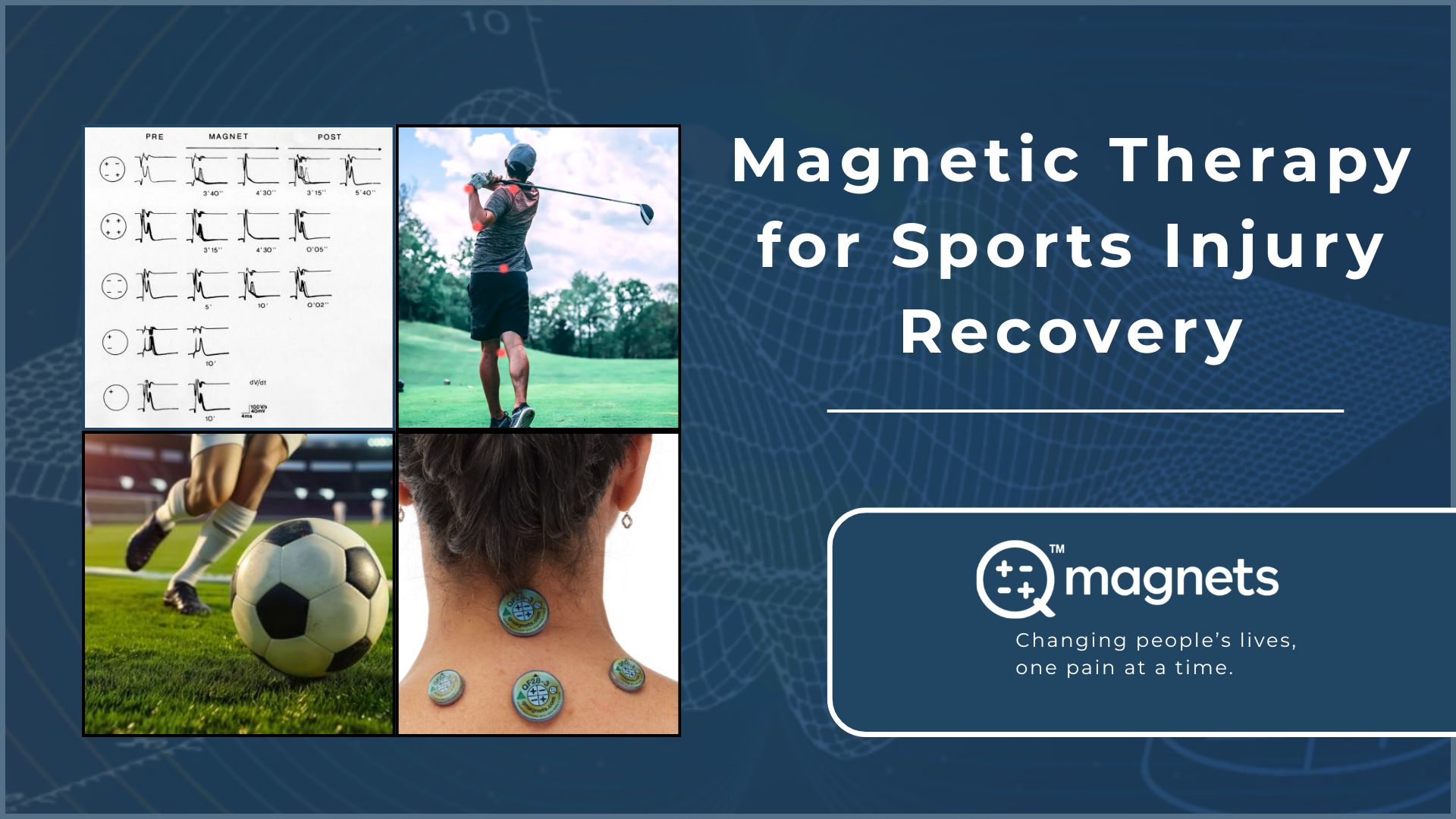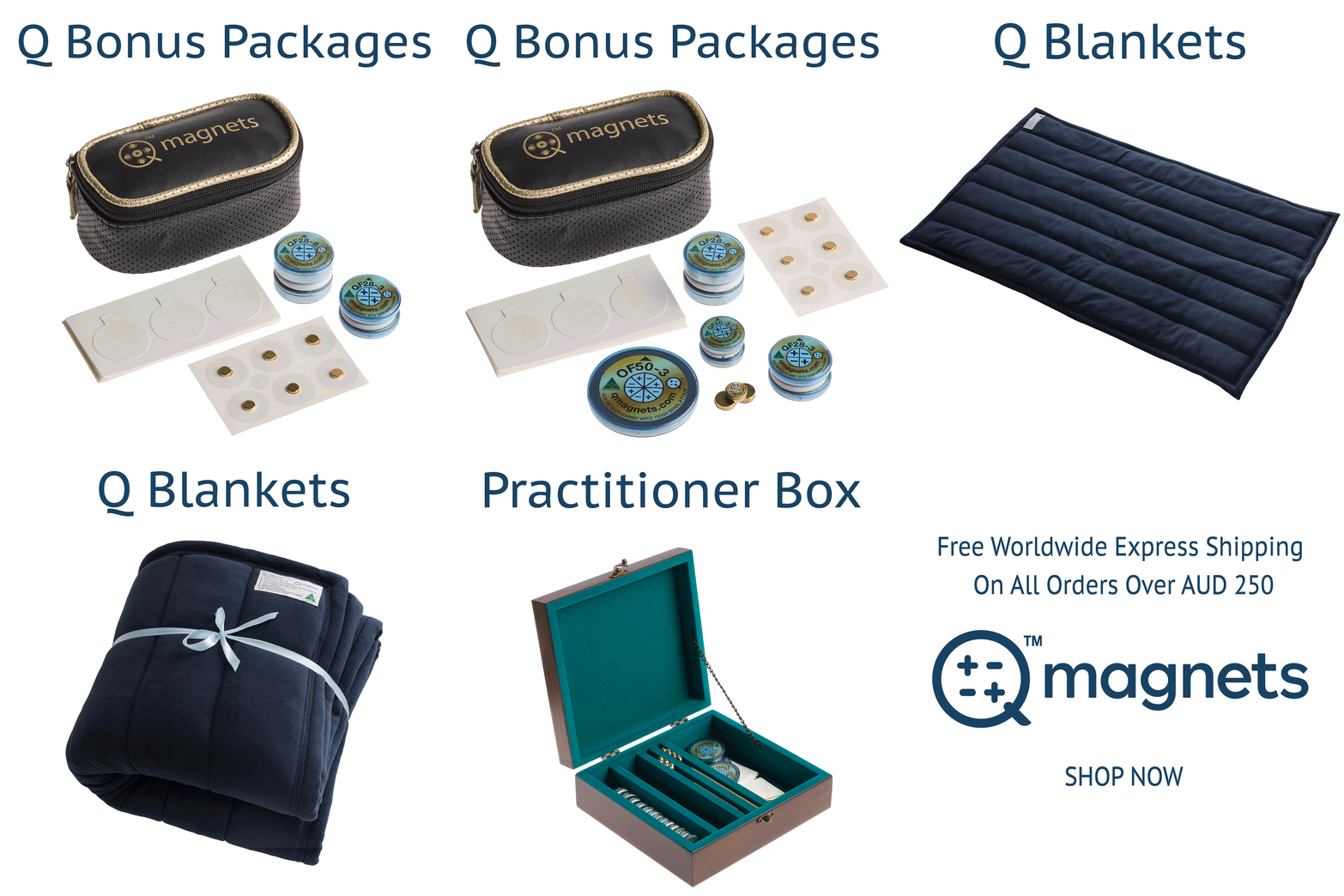
What Happens in Soft Tissue Injuries
If you’re dealing with acute injuries, understanding early-stage care is critical. A helpful framework is RICEM (Rest, Ice, Compression, Elevation, Movement) you can learn more in this guide:
RICEM: Why Early Intervention Matters After Injury, Surgery, and Dental Trauma
Soft-tissue injuries such as strains, sprains, and bruising can interfere with normal movement and performance. These injuries often create pain and inflammation, which may limit an athlete’s ability to train or compete effectively.
Because of this, managing discomfort and supporting recovery is a priority in both amateur and professional sport.
Where Magnetic Therapy Fits Into Athlete Recovery
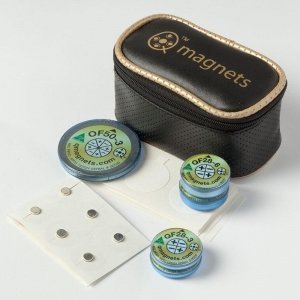
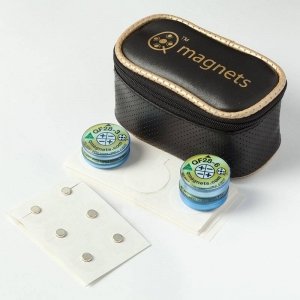
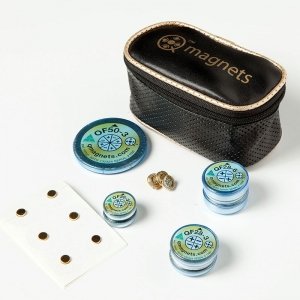
Q Magnets are described as a simple, non-invasive therapy option that may be used alongside other recovery strategies. They are commonly applied for the temporary relief of minor aches and pains associated with athletic activity.
Many professional sports teams reportedly use Q Magnets as an adjunctive approach meaning they are not used in isolation, but alongside other treatments to help athletes return to sport sooner.
This positions magnetic therapy as part of a broader recovery toolkit rather than a standalone solution.
See also, how magnetic therapy works
How Athletes Apply Q Magnets in Practice (FDP Framework)
To use Q Magnets effectively, application typically follows the Field | Dose | Placement framework:
Field
Q Magnets use a structured magnetic field designed to interact locally with the targeted area.
Dose
The size and strength of the magnet may be selected based on the size of the injury and the depth of the affected tissue.
Placement
Magnets are positioned directly over the injured or painful area such as a bruise, strain, or lower back region to target the site of discomfort.
This practical approach aligns with how athletes integrate recovery tools into daily routines.
What Athletes Notice During Recovery
Feedback from professional environments suggests that magnetic therapy may help athletes manage discomfort and return to training earlier in the week.
A staff member from a professional rugby team noted that using Q Magnets on a bruise supported earlier return to training, improving both individual preparation and team readiness.
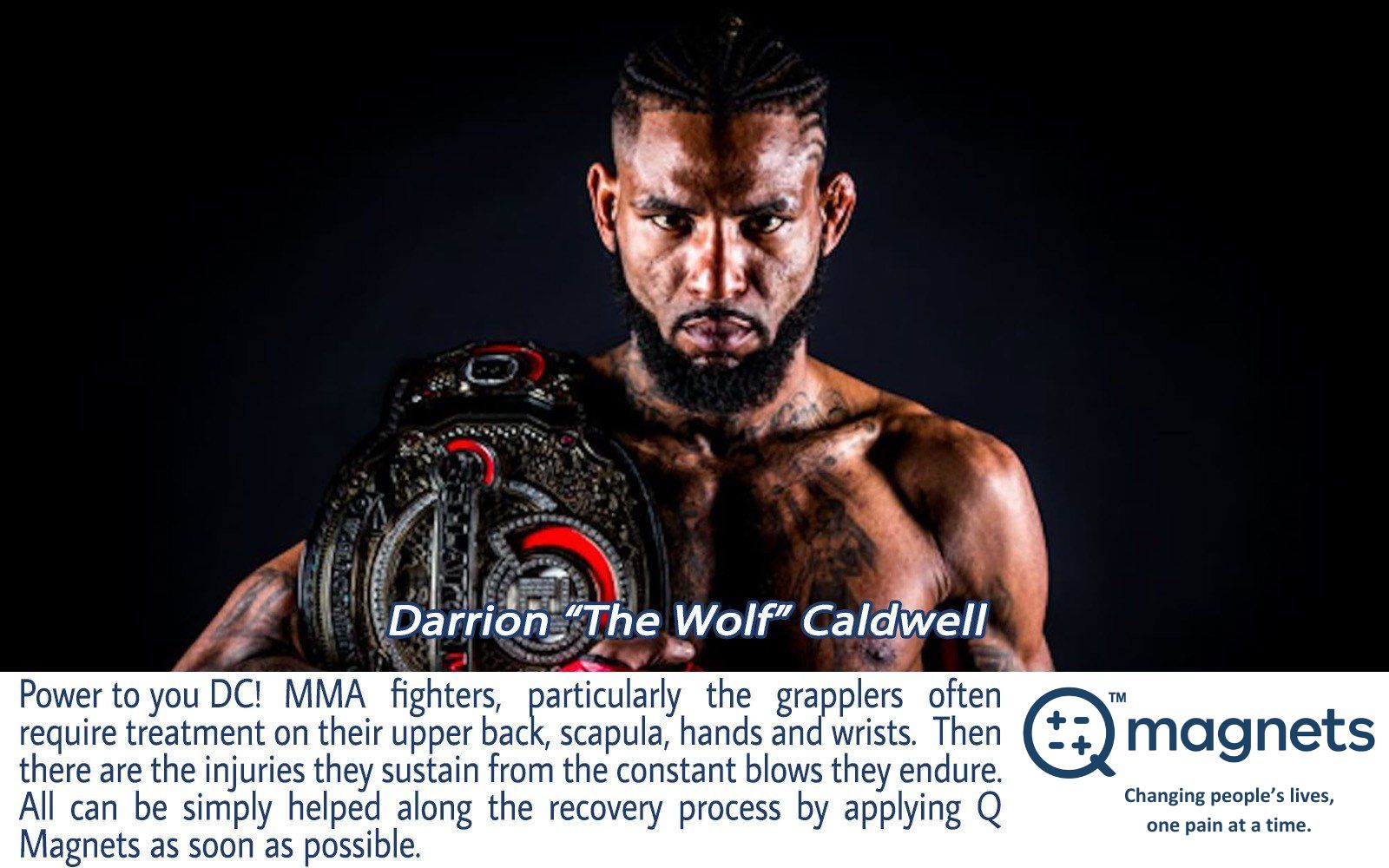
Elite AFL player Simon Black also reported that Q Magnets were integral in his recovery routine and contributed to extending his playing career.

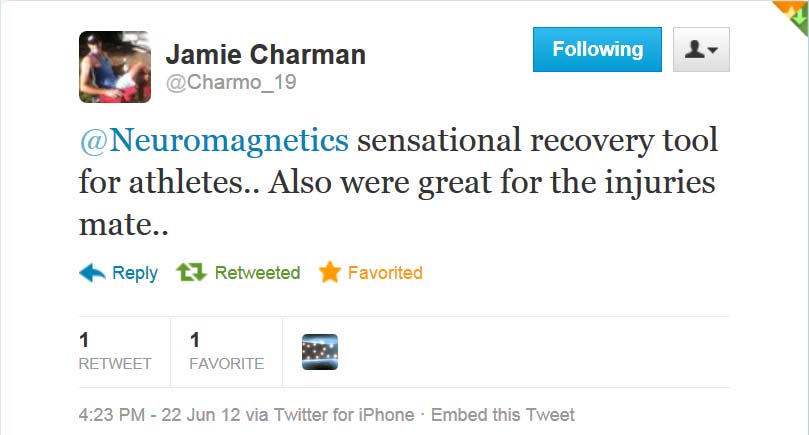
Tweet from former Brisbane Lions ruck Jamie Charman
These examples reflect observed patterns in athletic environments rather than guaranteed outcomes. Readers can also explore additional testimonial case studies from athletes and active individuals.
The Reality Every Athlete Understands: Recovery Isn’t One Tool
One important consideration is that Q Magnets are not presented as a complete solution for injury recovery.
Even at the elite level, athletes with significant or chronic injuries may still face limitations. For example, a professional footballer with long-term Achilles tendon issues found that while magnets assisted with pain and inflammation, they were not enough to overcome the physical demands of the sport.
This highlights a key principle in recovery:
- No single tool replaces proper rehabilitation
- Results vary depending on injury severity and athlete condition
- Multiple strategies are often required
A Relatable Moment: When You Just Want to Train Again
For many athletes, the most frustrating part of injury isn’t the pain it’s missing training, losing rhythm, and falling behind.
The appeal of tools like Q Magnets lies in their simplicity: something that can be applied quickly, used consistently, and potentially support getting back into routine sooner.
This reflects why recovery tools that are easy to integrate often become part of long-term athletic habits.
Limitations and Realistic Expectations
Magnetic therapy should be viewed with realistic expectations:
- It may assist with temporary relief of minor aches and pains
- It is not a cure for serious injuries
- It does not replace medical care or structured rehabilitation
Athletes are encouraged to explore a combination of:
- Professional treatment
- Rest and recovery protocols
- Technique adjustments
- Behavioural modifications
All of these contribute to effective recovery.
Next Steps for Athletes Considering Magnetic Therapy
For athletes looking to support recovery:
- Identify the injury type (strain, bruise, tendon issue)
- Apply magnets directly to the affected area
- Use alongside existing recovery strategies
- Monitor how your body responds over time
For those seeking a drug-free, non-invasive option, Q Magnets may be considered as part of a broader recovery plan.
Practical Recovery Box
When to Use Q Magnets:
- Minor strains and sprains
- Bruising
- General muscle soreness
How to Use:
- Place directly over the affected area
- Use consistently during recovery periods
What to Expect:
- May assist with temporary pain relief
- May support return to training routines
Combine with rest, rehab, and professional care
Frequently Asked Questions
1. How do Q Magnets work?
Q Magnets are designed to create localized static magnetic field gradients using multipolar magnet geometry. Unlike simple bipolar magnets, Q Magnets use alternating poles within one device to produce a more complex field pattern.
The proposed biological effect is not based simply on magnet strength. Instead, Q Magnets are positioned through Field | Dose | Placement:
Field: multipolar geometry and localized gradients.
Dose: magnet size, field strength, tissue depth, exposure time, and cumulative use.
Placement: accurate positioning over or near the relevant nerve, joint, soft tissue, acupressure point, or referral pathway.
Research and theoretical work suggest that steep static magnetic field gradients may influence neuronal membrane excitability and ion channel behaviour. This may help explain why correct placement and model selection are so important.
Q Magnets should therefore be understood as precision field-based recovery tools rather than general-purpose magnets.
2. How do I apply the Q Magnet device?
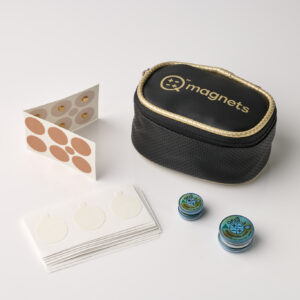
Q Magnets can be applied using sports tape such as Fixomull, Hyperfix, or Cover-Roll, double-sided adhesive patches such as QFix28, QFix6 plasters for smaller models, braces, elastic supports, bandages, headbands, or the Flux Attachment Plate for suitable clothing applications.
The key is to hold the magnet securely in the correct position. Q Magnets depend on accurate placement, and even a small shift may change the field exposure at the target area.
See How To Use Q Magnets. For longer use, many people prefer a brace, wrap, elastic support, or clothing-based attachment method rather than repeated taping. For sport or movement, make sure the magnet cannot slip, detach, or attach unexpectedly to metal equipment.
Always apply the magnet with the correct side facing the body and the orientation arrow aligned as directed.
3. Since placement of Q Magnets is critical, how does one find the specific placement?
The simplest starting point is to place the Q Magnet over the area of tenderness. This may be suitable for local pain patterns such as a tender tendon, joint, muscle area, or minor localized injury.
However, placement is not always obvious. Pain may be referred from another area, influenced by nerve pathways, or related to spinal segments, acupressure points, or sensitized neural structures. In these cases, multiple Q Magnets may be used along relevant nerve pathways or related anatomical regions.
This is where Field | Dose | Placement becomes practical. The field must be appropriate for the target, the magnet size and exposure must match the depth and tissue, and the placement must be accurate enough to expose the intended area to the field gradient.
For example, a local sting or tennis elbow tenderness may respond best to direct placement over tender spots. A radiating nerve pattern may require placement closer to the relevant spinal level or nerve pathway. Acupressure-style placements may also be used in some protocols.
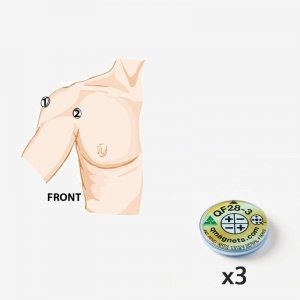
For most users, the Body Map is the best starting point because it gives recommended placements and magnet combinations. More complex pain syndromes may require guidance from a practitioner with knowledge of anatomy, neurology, physiotherapy, or acupuncture-style point selection.
4. Do Q Magnet devices mask pain?
Q Magnets are not intended to numb an area like a local anaesthetic. They do not work like lidocaine, opioid medication, or pain-relieving drugs that temporarily block or override pain perception.
Their proposed role is more closely related to nervous system modulation. Laboratory and theoretical work suggests that steep static magnetic field gradients may influence nerve excitability and membrane behaviour, especially where sensitized nerves are involved.
A Roth-proof way to explain this is: Q Magnets may help create a localized field environment that supports reversible neuromodulation. They are not designed to “switch nerves off” permanently or hide an injury that needs medical care.
If pain is severe, worsening, unexplained, or associated with injury, swelling, weakness, numbness, fever, or other concerning symptoms, seek appropriate medical advice.